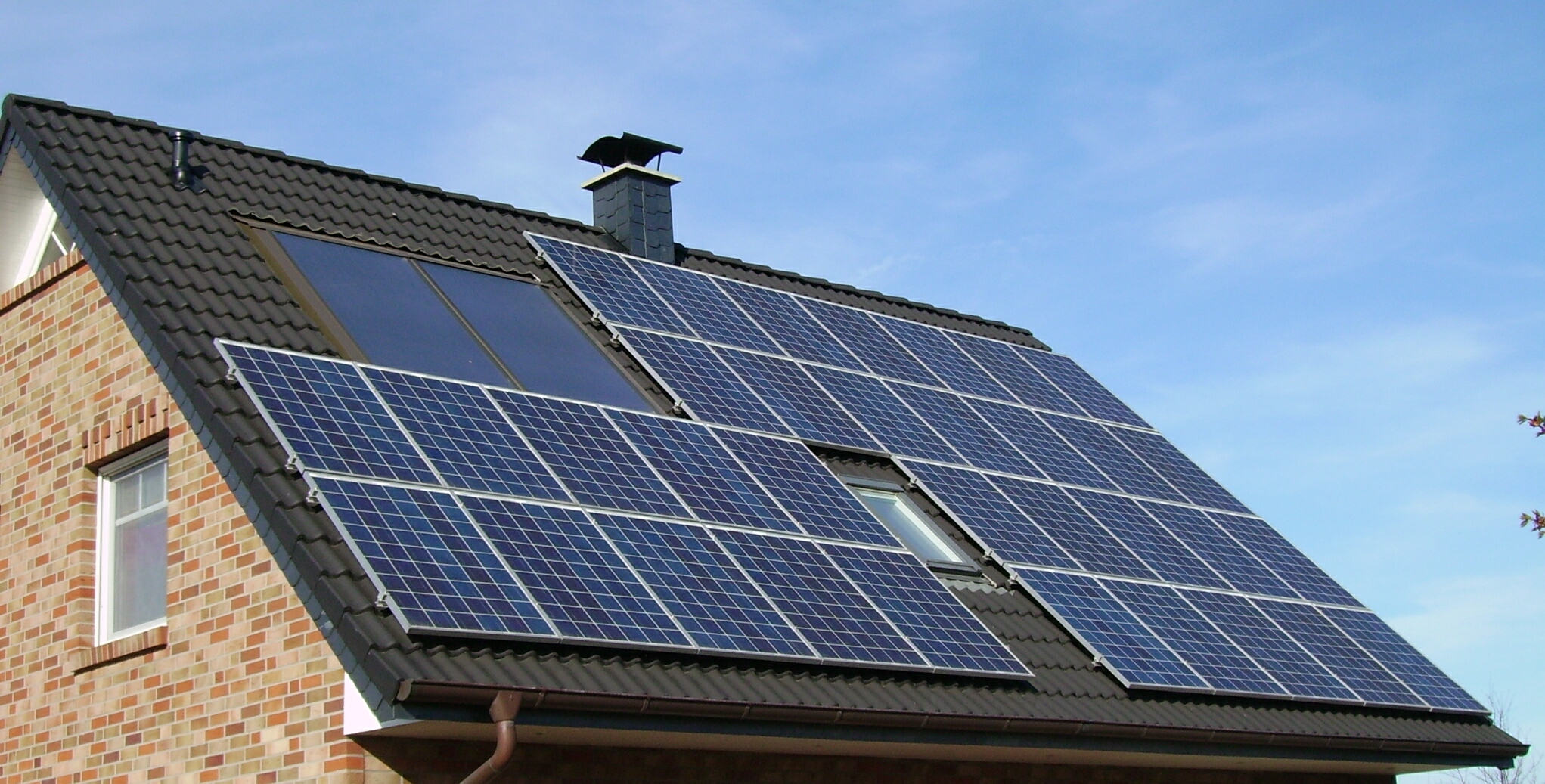
Solar Incentives & Subsidies in Czech Republic: 2024–2025 Overview
The Czech government offers several financial mechanisms to reduce the upfront cost of residential solar installations. The most significant is Nová zelená úsporám (New Green Savings), a national grant programme administered by the State Environmental Fund of the Czech Republic (SFŽP). Additional support exists through net metering provisions embedded in the Energy Act, and some regional authorities have introduced their own co-financing arrangements. This article sets out the key schemes, how they interact, and what the application process involves.
Nová zelená úsporám
Nová zelená úsporám is the primary national subsidy for residential energy renovations in Czech Republic. Funded through the EU Cohesion Fund and national budgets, it covers insulation, windows, heating systems, and — since 2019 — photovoltaic systems with battery storage.
What Is Eligible
- Rooftop photovoltaic systems for family homes (not apartment buildings under this call)
- Battery storage systems installed at the same time as, or within a defined window after, the solar panels
- Hybrid inverters handling both PV conversion and battery charging
- Associated installation costs
Grant Amounts (2024 Call)
Grant amounts are set per call and change between funding rounds. Based on the conditions published for the 2023–2024 call period:
- PV system without storage: CZK 35,000 for systems up to 10 kWp for family homes
- PV system with battery storage ≥ 4 kWh: CZK 35,000 + CZK 10,000 per kWh of usable storage capacity, up to a maximum of CZK 150,000 total
- For example, a 5 kWp PV system with a 10 kWh battery: CZK 35,000 + (10 × CZK 10,000) = CZK 135,000
These figures should be verified against the current active call on the SFŽP website before applying, as amounts are revised between rounds.
Eligibility Conditions
- The property must be a family home (rodinný dům) used for permanent residence
- The applicant must be the property owner or co-owner
- Installation must be carried out by a registered contractor with the required qualifications
- Equipment must be new and meet specified minimum efficiency standards
- Costs must be documented by invoices from the installer
Application Process
Applications are submitted through the SFŽP online portal (dotace.sfzp.cz). The standard process:
- Create an account and complete the property and applicant details
- Select the relevant programme area (FVE s akumulací or FVE bez akumulace)
- Upload required documents: property extract from the cadastre, contractor invoice, equipment specifications, photos of the completed installation
- Submit the application; SFŽP processes it and may request additional documentation
- Upon approval, the grant is paid to the applicant's bank account within the timeframe specified in the approval decision
Applications can be submitted after installation is complete. There is no pre-approval process; the subsidy is claimed retrospectively.
Net Metering and Feed-In Rules
Czech energy legislation provides for net metering under the concept of komunitní energetika and the provisions of Act No. 458/2000 Coll. (the Energy Act) as amended. The practical rules for a standard residential solar customer:
- Surplus electricity generated but not self-consumed is exported to the distribution grid
- The export is metered by the bidirectional smart meter installed by the DSO
- The customer receives a feed-in payment (výkupní cena or tržní cena) per exported kWh from their electricity supplier under a separately agreed export contract
- Feed-in rates for small residential producers (micro-generation, výrobna do 10 kW) were in the range of CZK 1.00–2.50/kWh in 2024, depending on supplier and contract terms — considerably below the cost of grid electricity
True net metering (where exported kWh directly offset imported kWh at the same rate) does not apply in the Czech system. The economics of solar with and without storage depend heavily on the ratio between the feed-in rate and the import tariff, which as of 2024 creates a strong financial incentive to maximise self-consumption.
Investment Tax Relief
Czech income tax law (Act No. 586/1992 Coll.) allows natural persons to deduct the cost of renewable energy equipment from their tax base under certain conditions. This applies to photovoltaic systems used primarily for own consumption. The deduction is separate from and can be combined with the Nová zelená úsporám grant, subject to the condition that the same costs are not double-subsidised.
Specific eligibility conditions and deduction limits are set by the tax authority (Finanční správa). It is advisable to consult a tax adviser before applying this deduction alongside a grant.
Regional and Municipal Co-Financing
Several Czech regions (kraje) and municipalities have introduced their own co-financing schemes for residential solar, typically operating alongside or as top-ups to the national Nová zelená úsporám programme. Availability, amounts, and conditions vary significantly by region and are updated annually.
Regions where dedicated solar co-financing has been available in recent years include South Moravia (Jihomoravský kraj), Central Bohemia (Středočeský kraj), and the City of Prague. Applicants should check the relevant regional authority website for current scheme status.
EU Funds: REPowerEU and OPTAK
Czech Republic has access to EU funds under REPowerEU (channelled through the National Recovery Plan) and the Operational Programme Technology and Applications for Competitiveness (OPTAK). These funds supported business and public sector solar installations primarily; residential access is largely through the Nová zelená úsporám programme which draws on the same EU allocation.
Key Contacts and Official Resources
- Nová zelená úsporám — official SFŽP portal
- State Environmental Fund (SFŽP)
- Energy Regulatory Office (ERÚ) — tariffs and grid rules
- Ministry of Industry and Trade (MPO) — energy policy
Further Reading
Last updated: 28 April 2025. Subsidy amounts and eligibility conditions are subject to change between funding rounds. Verify current terms on the SFŽP portal before submitting an application.